
Fostering Futures, One Home at a Time
Explore Our Foster Care Services
Explore the diverse foster care services we offer, each designed to provide a nurturing and supportive environment for children in need. For prospective foster caregivers, we provide you with all the training and support you will need and to guide you through the entire process.
Traditional Foster Care
A child welfare system in which children and adolescents who cannot live safely with their birth parents are placed temporarily in the homes of licensed foster caregivers, known as "foster parents". The arrangement is intended to be a safe, nurturing, and supervised alternative while child welfare workers, courts, and families work toward a long-term plan for the child. It serves as a short- to medium-term protective arrangement designed to ensure a child's safety, well-being, and stability during a period of family crisis or transition.
Purpose: Provide safety, basic needs, and stability while addressing reasons for removal (neglect, abuse, parental incapacity) and pursuing a permanency goal (reunification, adoption, guardianship, or long-term foster care).
Placement setting: Licensed private homes (foster family homes), group homes, or specialized foster settings. Most placements are in family homes with one or more foster parents.
Duration: Typically temporary but can range from days to several years depending on family progress and legal decisions.
Services provided: Supervision, daily care, medical/dental services, education support, counseling, and coordination of visits with biological family. Training and financial support are provided to foster parents (e.g., monthly board payments).

Therapeutic Foster Care
An intervention designed for children and youth with significant emotional, behavioral, psychological, or developmental needs that cannot be adequately met in traditional foster care settings. It combines the stability of a family home environment with individualized clinical treatment and intensive professional support. One of the main goals is to offer a family-based alternative to institutional care by pairing intensive clinical supports with the day-to-day stability of a trained foster homes helping youth heal, learn skills, and move toward safer, more permanent placements.
Purpose: To provide structured, therapeutic care for children and youth with complex needs (e.g., trauma histories, mental health diagnoses, behavioral challenges) while promoting healing, skill-building, and movement toward permanency.
Placement setting: A licensed, specially trained therapeutic foster home is a private family residence rather than a group home or residential facility making it a community-based, family-centered model.
Duration: Typically more time-limited and goal-driven than traditional foster care, with a clear treatment plan guiding progress toward transition to a less intensive setting or permanency.
Level of care: Considered a higher level of care than traditional foster care but a less restrictive alternative to residential treatment centers or psychiatric facilities.
Emergency Foster Care
A short-term, temporary care arrangement provided to children who are suddenly removed from their home due to an immediate safety concern or crisis situation. It serves as an urgent, protective measure designed to ensure the safety and well-being of a child when their primary caregivers are temporarily unable, or deemed unsafe, to care for them.
Immediate Placement: Children are placed with emergency foster caregivers often with little to no advance notice, sometimes within hours of a crisis occurring.
Short-Term Duration: Placements are typically brief, lasting anywhere from a few days to a few weeks, while longer-term arrangements or family reunification is assessed and planned.
Purpose: The primary goal of emergency foster care is to protect the child from harm while social workers, courts, and child welfare agencies assess the situation and determine the most appropriate next steps. These may include:
Family reunification (returning the child home once it is safe to do so)
Kinship care (placement with a relative or trusted family friend)
Long-term foster care or adoption (if reunification is not possible)

Respite Care
A temporary, short-term arrangement that provides a planned break for primary foster care givers, while ensuring the children in their care continue to receive safe, supportive, and consistent care from another approved caregiver. It is an essential support mechanism within the foster care system, designed to prevent caregiver burnout and sustain the overall quality of care provided to children.
Planned and Scheduled: Unlike emergency foster care, respite care is typically arranged in advance, giving the primary caregiver and the child time to prepare for the temporary transition.
Short-Term Duration: Placements generally last from a few hours to a few days.
Purpose: The primary purpose is to support the foster caregiver by giving primary caregiver the opportunity to:
- Rest and recharge, both physically and emotionally
- Attend to personal, family, or medical matters
- Prevent exhaustion, stress, or burnout

Foster Parent Training
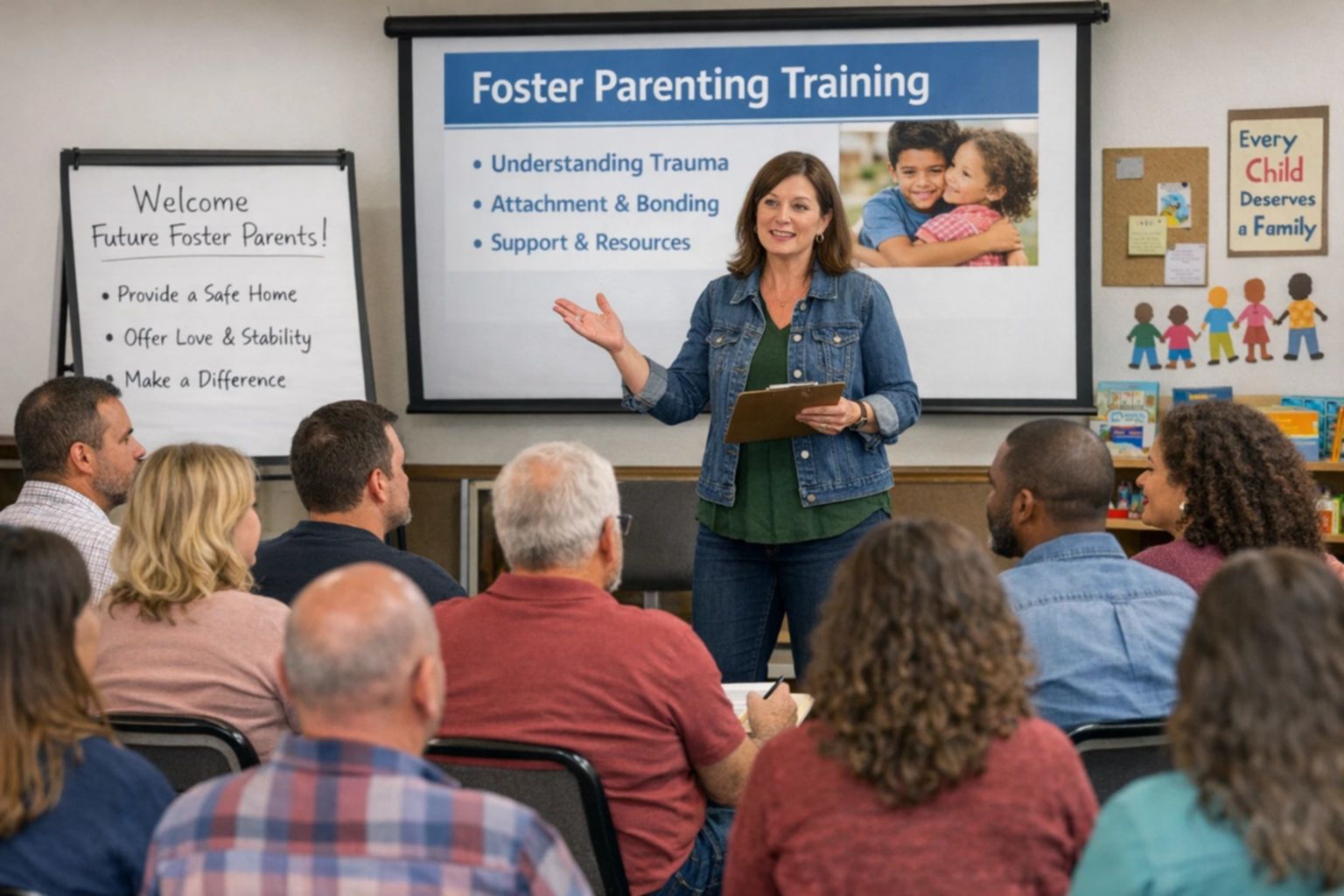
If you meet the state requirements and have a heart for children, we can provide all the training you will need to become a licensed foster parent.
Our expert staff will guide you through the entire process of becoming a foster parent and continue to support your home with our exceptional training, clinical, home resource, and case management services. We work closely with the referring agency and all other interested parties to achieve the child's permanency goal through coordinated and successful individualized services that reflect our high standard of care and expertise.
In most cases, the goal of foster care is reunification of the child and family once it is healthy and safe to do. Unfortunately, it is not possible in all cases. Of the children needing out-of-home care, nearly 30% have the permanency goal of adoption. With our Foster to Adopt Program, we work to find permanent placements for these children with loving families.
We serve a geographical region with staff that are from the area and have long standing, personal relationships with community members and partners (i.e. schools, court, churches, other social services agencies, etc.).
Commitment To Our Communities
Community Outreach
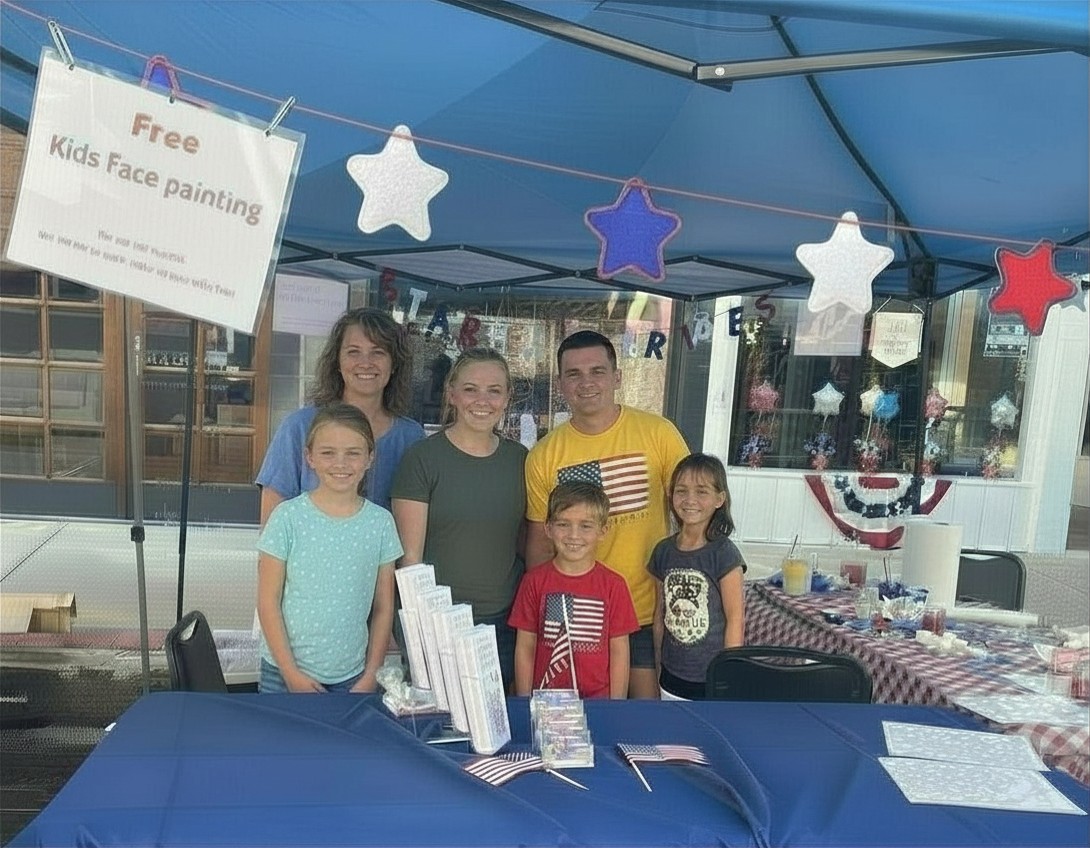
At Heritage Children Services, our commitment to the community is at the heart of everything we do. We strive to create a nurturing environment where foster parents and children can thrive. Our programs are designed to support families, ensuring that every child has a loving and stable home. As community members, we have a vested interest in the well-being and future of Kentucky's children.
We believe in empowering foster families through comprehensive training and resources. Our support network is designed to help families navigate the challenges of foster care, providing guidance every step of the way.
Collaboration is key to our success. We work closely with child welfare agencies and community partners to ensure the best outcomes for children in our care.
Our efforts have a lasting impact on the community, fostering a culture of care and compassion. We are dedicated to making a positive difference in the lives of children and families.
Join Our Community of Foster Parents!
Ready to make a difference in a child's life? Take the next step in becoming a foster parent with Heritage Children Services. Our comprehensive support and training programs ensure you're prepared for this rewarding journey. Join us in providing a loving and stable environment for children in need.